
WHO WE ARE
CARI COFFEE was born in 2019 as a specialty coffee division of Agroindustrias Unidas de Mexico. We select and separate the best Mexican coffees for specialty coffee roasters all over the world.
Mission
Lorem ipsum dolor sit amet, consectetur adipiscing elit. Ut consequat leo tortor, non posuere quam pharetra nec. Lorem ipsum dolor sit amet, consectetur adipiscing elit. In dapibus, felis eu sodales finibus, nunc lectus dignissim sapien, quis convallis nulla arcu sit amet tortor. Nulla sagittis mi a urna sodales, ac commodo orci accumsan. Pellentesque hendrerit felis ut quam placerat, et convallis arcu ultricies. Class aptent taciti sociosqu ad litora torquent per conubia nostra, per inceptos himenaeos. In quis urna sagittis magna varius suscipit id sed eros. Nulla vulputate, neque quis rutrum vehicula, tellus nisi congue nisi, a euismod mauris sapien quis risus. Nunc tincidunt et lectus eu eleifend. Sed elementum leo sed purus gravida, id dignissim nibh convallis.
Vision
Lorem ipsum dolor sit amet, consectetur adipiscing elit. Ut consequat leo tortor, non posuere quam pharetra nec. Lorem ipsum dolor sit amet, consectetur adipiscing elit. In dapibus, felis eu sodales finibus, nunc lectus dignissim sapien, quis convallis nulla arcu sit amet tortor. Nulla sagittis mi a urna sodales, ac commodo orci accumsan. Pellentesque hendrerit felis ut quam placerat, et convallis arcu ultricies. Class aptent taciti sociosqu ad litora torquent per conubia nostra, per inceptos himenaeos. In quis urna sagittis magna varius suscipit id sed eros. Nulla vulputate, neque quis rutrum vehicula, tellus nisi congue nisi, a euismod mauris sapien quis risus. Nunc tincidunt et lectus eu eleifend. Sed elementum leo sed purus gravida, id dignissim nibh convallis.
Columna 1
Columna 2
Columna 3
SMS
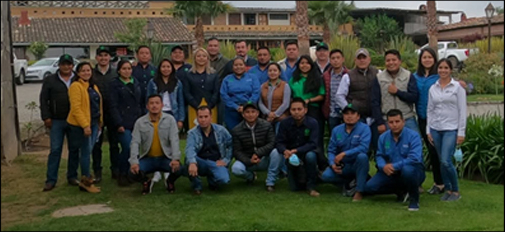
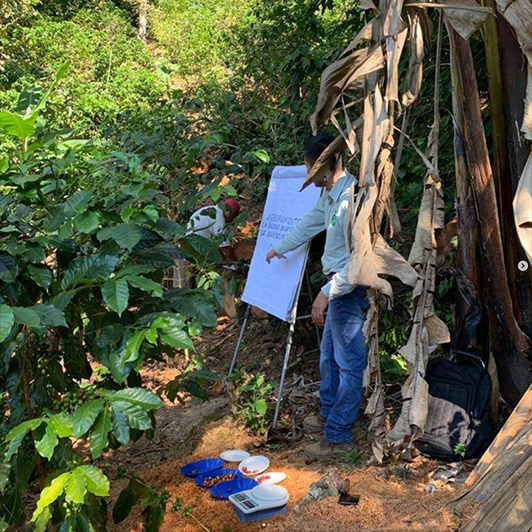
SMS implements several models to reach smallholder farmers with training and certification, and to deliver value-added services with the goal of effective management, transparency and accountability to its partners.
SUPPORT
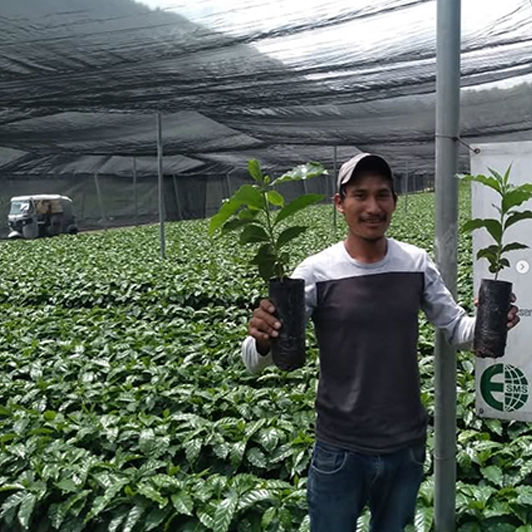
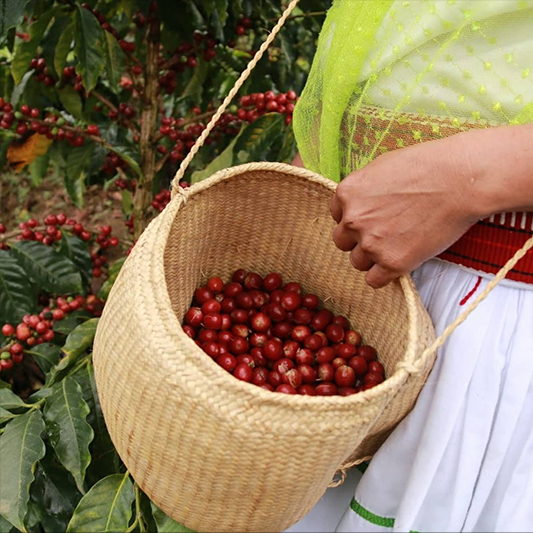
Supports farmers’ productivity by enabling them to access affordable and high-quality agricultural inputs. Farmers benefit from the expertise of our teams, whose field access and knowledge aid in the sustainable use of a wide array of inputs.
ADWARDS
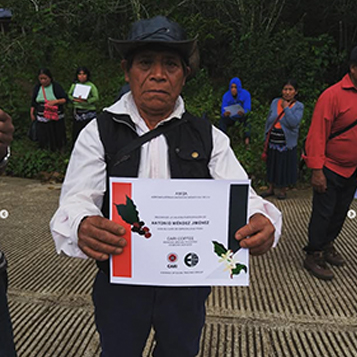
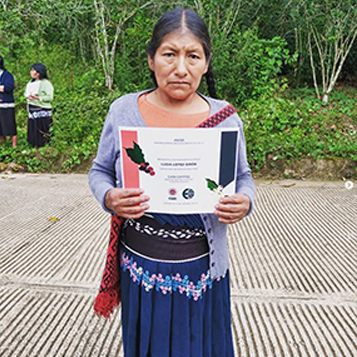
Supports farmers’ productivity by enabling them to access affordable and high-quality agricultural inputs. Farmers benefit from the expertise of our teams, whose field access and knowledge aid in the sustainable use of a wide array of inputs.
NEWS
OUR COFFEES
REGIONAL
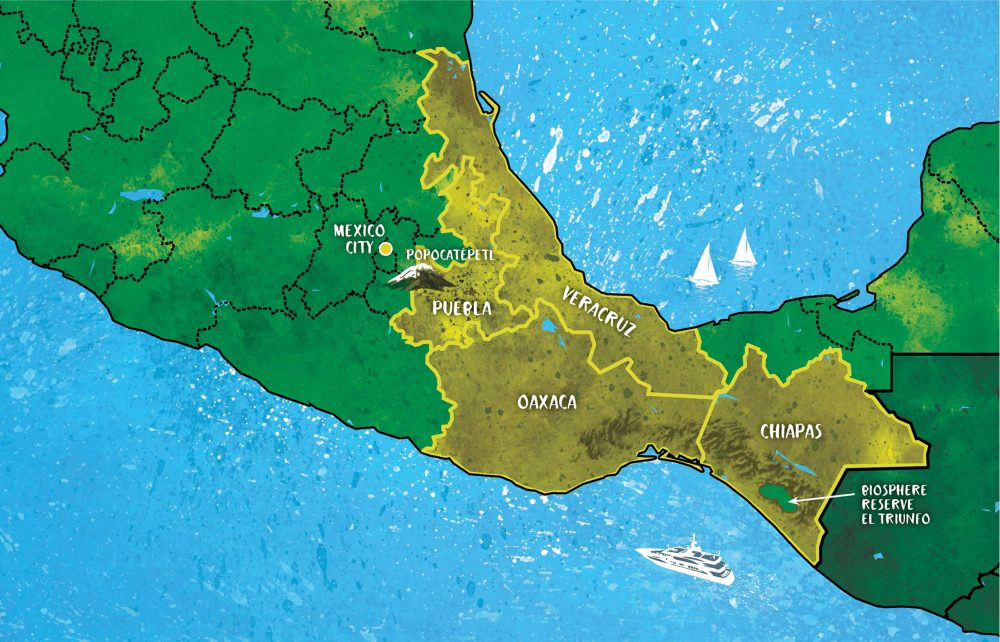
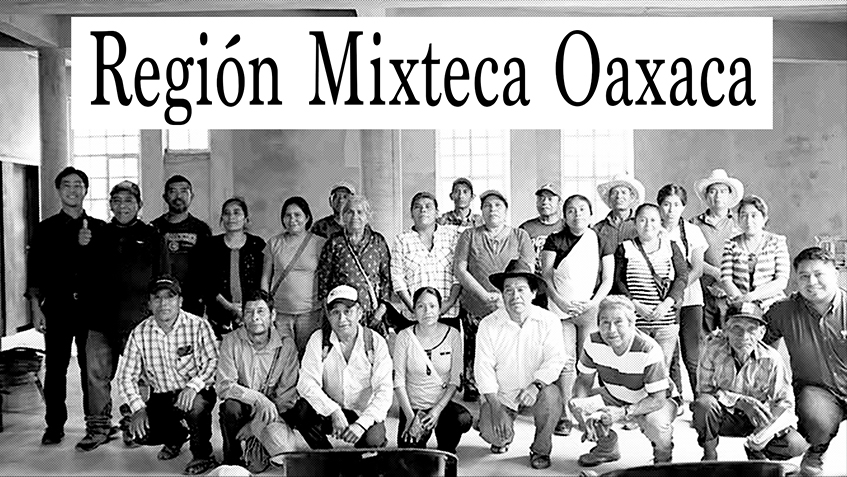
Regional coffee reflects the unique characteristics of the soil, altitude, and climate of its place of origin. Beans from Mexico offer a balanced flavor with nutty notes; African beans, a vibrant, fruity profile; and those from Asia-Pacific, an intense, earthy character. Mexican regions such as Chiapas and Oaxaca produce distinctive chocolate notes and floral nuances.
MICROLOT
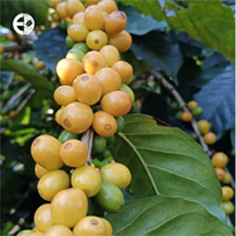
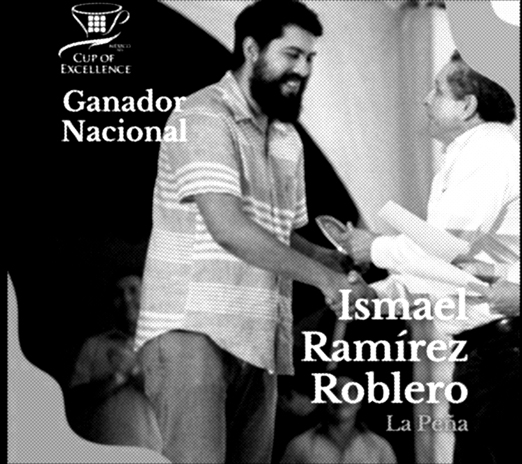
a premium, small-batch specialty coffee sourced from a single farm, specific plot of land, and altitude band. These coffees are meticulously isolated from the main harvest due to their exceptional quality, distinct flavor profiles, and total farm-to-cup traceability
México
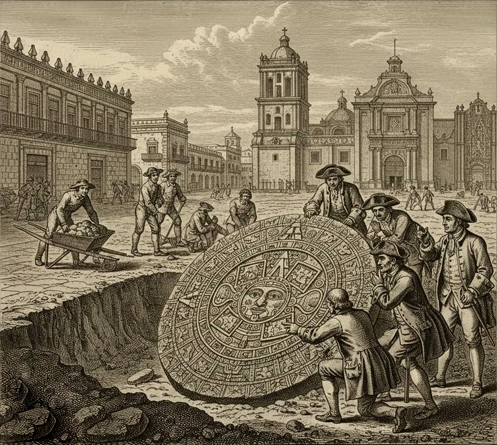
History
There are many stories regarding the discovery of coffee as we know it; some date back to 1140 in regions as diverse as Abyssinia, Ethiopia, and Arabia. Whether discovered by shepherds or monks, and whether by design or accident, the fact remains that today we can enjoy a delicious morning cup of coffee.
In Mexico, coffee is one of the most popular beverages, and domestic production is so extensive that the country currently ranks eleventh globally. Introduced in 1795, it is a crop of immense significance—not only economically and socially but also culturally and ecologically.
Arriving on ships carrying French immigrants, coffee production began in Córdoba, Veracruz. This fostered development and prosperity in the area, as local residents organized to capitalize on the crop, creating value chains that integrated community members into the processing, transportation, and marketing stages.
According to data on Mexico’s foreign trade published by Don Miguel Lerdo de Tejada for the years 1802, 1803, and 1805, coffee exports amounted to 272, 483, and 336 *quintales* (a *quintal* was an old Spanish unit of weight equivalent to 46 kg); this coffee is believed to have originated in Córdoba.
Culture
Mexican culture is incredibly rich, blending elements from various eras—ranging from pre-Hispanic and colonial times to the modern day. This cultural wealth is further enriched by the country’s approximately 62 indigenous groups—descendants of pre-Hispanic societies—who speak variants or dialects of sixty-eight distinct languages. Nahuatl has the largest number of speakers, with its population concentrated in a region comprising Mexico City and the states of Guerrero, Hidalgo, Morelos, San Luis Potosí, Mexico State, Puebla, and Veracruz. Between 22% and 30% of the country’s total indigenous population lives in three major cities: Monterrey, Cancún, and Guadalajara.[citation needed]
The country’s natural wealth, diversity, and values thus lend a unique character to “Mexican identity.” While ancestral customs and traditions are respected in most towns, more than 85 percent of the Mexican population lives in large cities—such as Mexico City and Monterrey—and has adapted to the changes brought about by modernity.[citation needed]
One of the most significant and long-standing cultural aspects is Mexican painting, which dates back to pre-Hispanic times—appearing on structures and in codices—and continued into the colonial period within convents. In the 20th century, the art form achieved global renown through artists who used their work to offer social commentary, such as muralists David Alfaro Siqueiros, José Clemente Orozco, and Diego Rivera. Alongside Rivera—yet maintaining artistic independence—stands Frida Kahlo; her work is imbued with emotion and pain, featuring paintings in which she herself is the central subject. Other notable artists include José Luis Cuevas, Rufino Tamayo, and Francisco Toledo.
MAP